
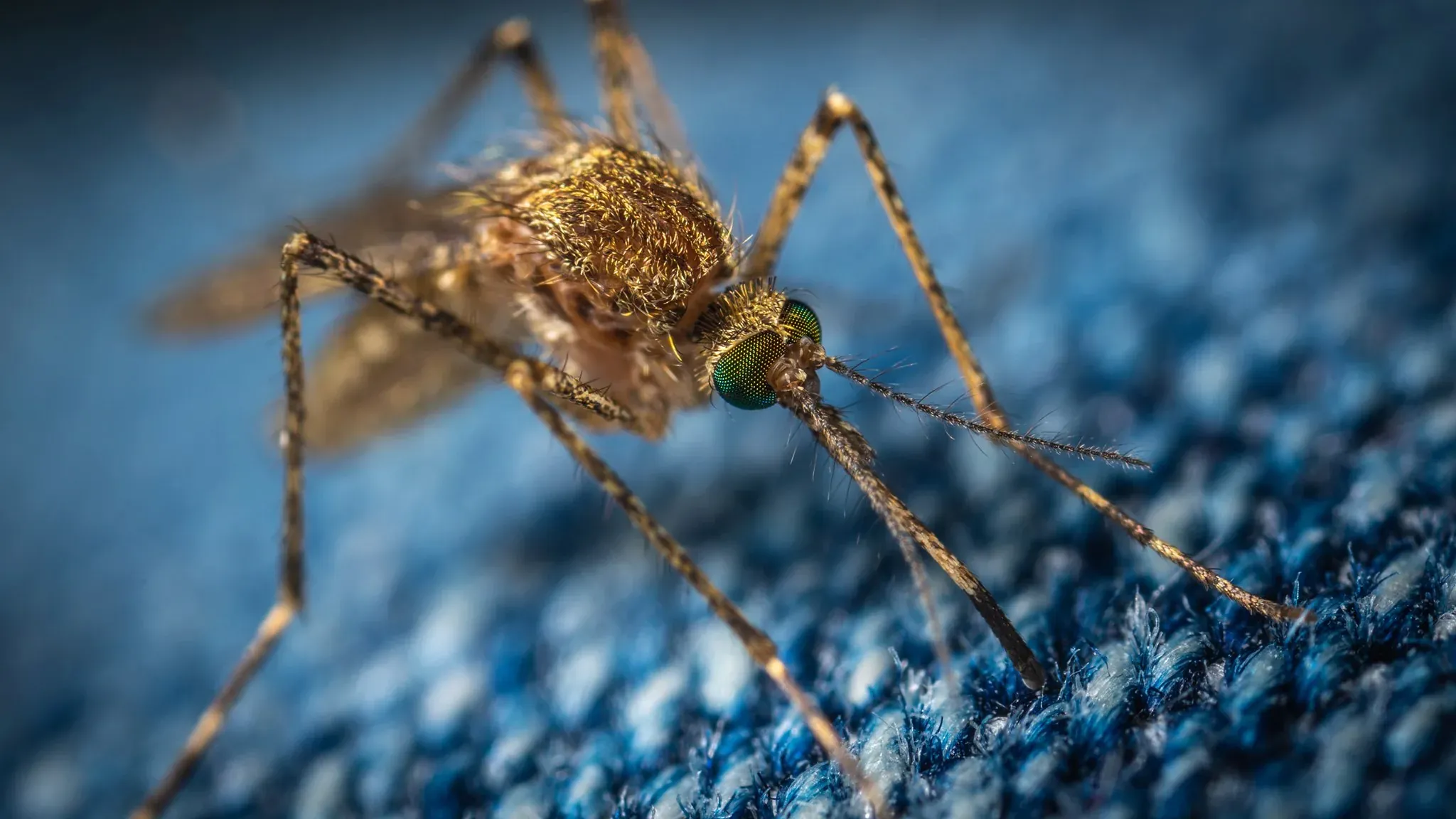
Ask most South Florida homeowners what mosquito is biting them, and they will say "just a mosquito." That answer misses something important. The species doing the biting determines when it is most active, where it breeds, what diseases it carries, and how to control it most effectively.
Florida is home to approximately 80 mosquito species, more than almost anywhere else in the continental United States. Of those, three species account for nearly all of the nuisance biting and disease risk you face in Boca Raton, Fort Lauderdale, Pompano Beach, and the surrounding communities. Here is a breakdown of each one.
The Three Main Biting Species in South Florida
| Species | Bites When | Breeds In | Disease Risk |
|---|---|---|---|
| Aedes aegypti Yellow Fever Mosquito | Daytime - morning + late afternoon | Containers: flower pots, gutters, buckets, tires | Extreme |
| Aedes albopictus Asian Tiger Mosquito | Daytime - aggressive, pursues hosts | Containers + natural cavities, wider range than aegypti | High |
| Culex quinquefasciatus Southern House Mosquito | Dusk through midnight | Organic-rich standing water, canals, retention ponds | High |
| Psorophora ciliata Gallinipper | Day and night, painful bite | Temporary floodwater after heavy rain | Nuisance |
1. Aedes aegypti: The Yellow Fever Mosquito
Aedes aegypti is small, dark, and marked with a distinctive white lyre-shaped pattern on its thorax and white-banded legs. Despite being smaller than most mosquitoes people notice, it is the most medically dangerous mosquito in South Florida. It is the primary vector for dengue, Zika, and chikungunya: all viruses that have caused locally acquired cases in Florida in recent years, meaning no international travel required.
When it bites: Aedes aegypti is a daytime biter. It is most active in the two hours after sunrise and the two hours before sunset: the exact times most people are enjoying their yards. Unlike Culex species that swarm at dusk, aegypti tends to bite ankle and lower leg, often without being noticed until the welt appears.
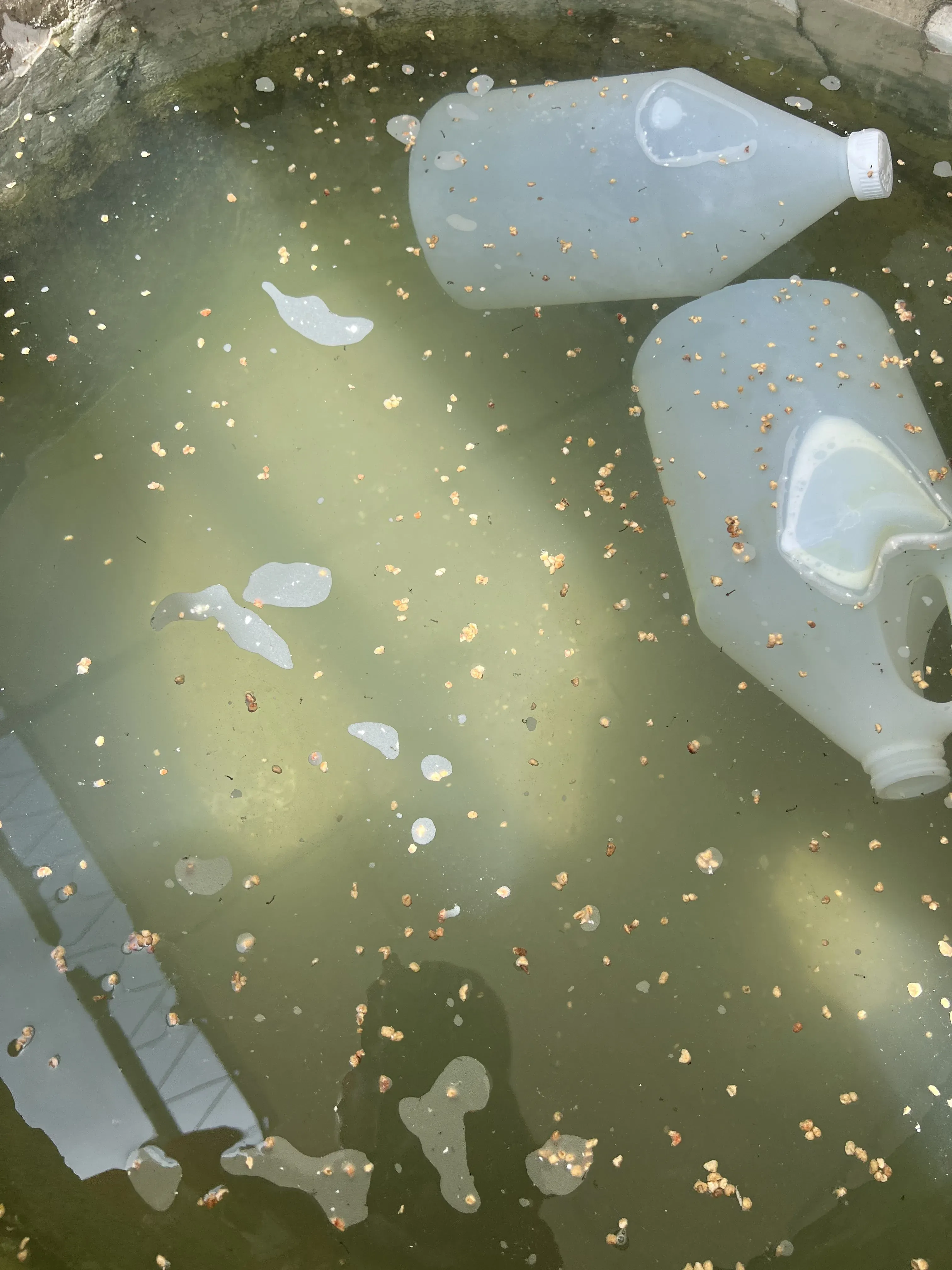
Where it breeds: This species is a container breeder that prefers artificial containers with still, clean water. Even a bottle cap with standing water can support a batch of eggs. Flower pot saucers, clogged gutters, bird baths, pet dishes, buckets, and children's toys left outside are all prime breeding sites in Boca Raton and Fort Lauderdale. A female can lay up to 200 eggs per batch, and she does not need a lot of water to do it.
Flight range: Aedes aegypti is a homebody. It typically stays within 200 meters of its birthplace. If aegypti is biting you in your yard, the breeding site is almost certainly on your property or a neighbor's. This makes source elimination (dumping standing water) especially important for this species.
2. Aedes albopictus: The Asian Tiger Mosquito
The Asian tiger mosquito is larger and more visually striking than aegypti. It has a bold single white stripe down the center of its back, like a racing stripe. It is also significantly more aggressive. Where aegypti bites and retreats, albopictus pursues. Homeowners who complain about being "hunted" while gardening are almost always dealing with tiger mosquitoes.
When it bites: Also a daytime biter, but active throughout more of the day than aegypti. Tiger mosquitoes bite from sunrise to sunset and do not take a midday break. They are aggressive enough to bite through clothing and pursue hosts into shade.
Where it breeds: Similar to aegypti, containers and small water collections, but tiger mosquitoes accept a wider range of water sources including natural tree holes, bamboo cavities, leaves, and bromeliads. If you have bromeliads in your landscaping (extremely common in South Florida), the water pooled in the central cup is a prime tiger mosquito nursery.
Why it matters: Albopictus arrived in the US in the 1980s via used tire shipments from Asia and spread rapidly. It has displaced Aedes aegypti in some areas by outcompeting it for breeding sites. In Broward and Palm Beach counties, both species coexist and both contribute to disease risk.
3. Culex quinquefasciatus: The Southern House Mosquito
Culex quinquefasciatus is the mosquito most South Florida residents picture when they think "mosquito": tan-brown, medium-sized, and showing up in swarms at dusk. This is the night biter. It is responsible for the mosquito swarms that end outdoor dinners and push families inside around sunset. It is also the primary vector for West Nile virus in Florida.
When it bites: Culex quinquefasciatus is a night biter, most active from dusk to midnight. It rests during the day in dense vegetation, dark spaces, and shaded areas. This behavioral pattern is why mosquitoes seem to "appear out of nowhere" at 6pm. They were resting in your shrubs all day and become active as light levels drop.
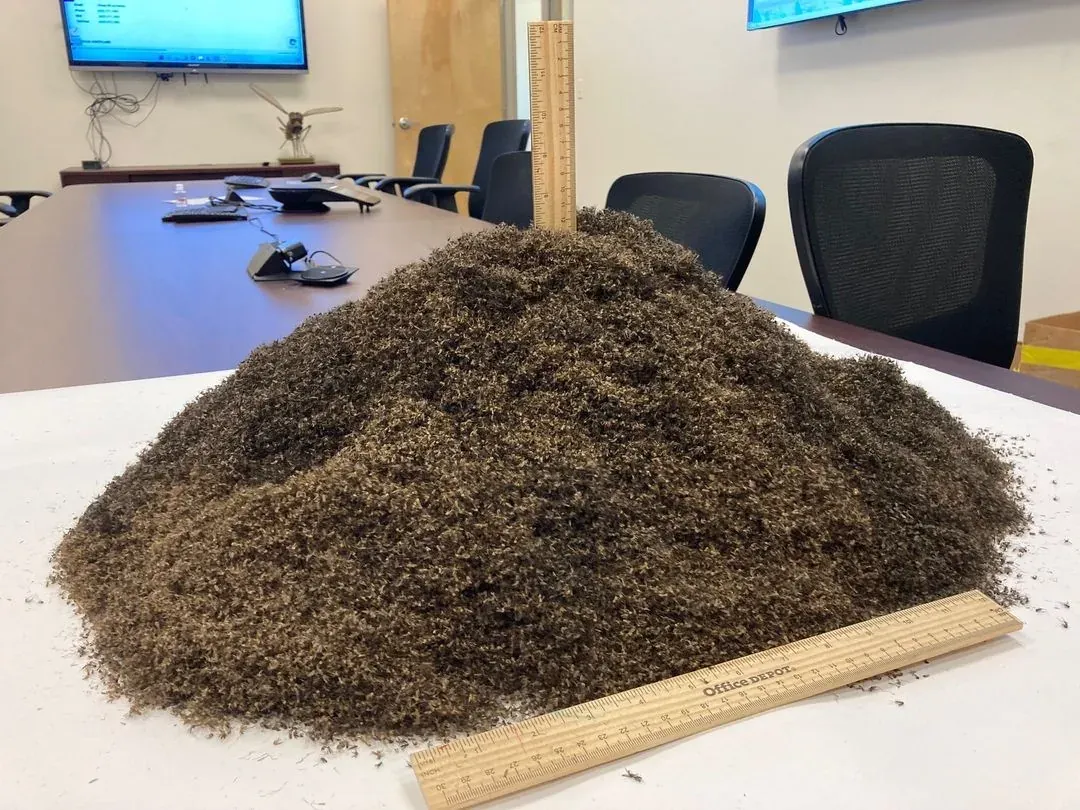
Where it breeds: Unlike container-breeding Aedes species, Culex prefer larger, organic-rich standing water. South Florida's extensive canal system, retention ponds, catch basins, and neglected pools are prime Culex breeding habitat. A single neglected pool or unmaintained retention basin can produce tens of thousands of mosquitoes per week. Culex also breed prolifically in bird baths, especially those with algae.
West Nile risk: Culex quinquefasciatus is the primary bridge vector for West Nile virus in the eastern United States. It feeds on infected birds and then transmits to humans. Broward and Palm Beach counties have documented West Nile activity annually. While most infections are mild, approximately 1 in 150 develops neuroinvasive disease, meningitis or encephalitis, that can be fatal.
Bonus: Psorophora ciliata - The Gallinipper
If you have ever been bitten by a mosquito so large you thought it was a crane fly, it was probably a gallinipper. Psorophora ciliata is a giant floodwater mosquito, roughly 20 times the size of a Culex, with golden-brown body hair and an extremely painful bite. They appear in South Florida after significant flooding events, hatching from dormant eggs laid in soil that can wait years for floodwater to trigger them.
The good news: gallinippers are primarily a nuisance biter. They are not significant disease vectors. The bad news: their bite is genuinely painful and they are aggressive. They are controlled by the same barrier treatments that affect other species, though their large size means they can require more direct contact with treated surfaces.
How Professional Mosquito Control Addresses All Three Species
Barrier spray treatments, what we apply in Mosquito Shield's standard service, kill and repel all three primary species by coating the vegetation, shrubs, and low canopy where mosquitoes rest during inactive periods. Aedes species rest in shady plants during midday; Culex rest all day before activating at dusk. Both encounter treated surfaces and are eliminated.
Our MPB formula uses natural plant oils: citronella, rosemary, peppermint, and geraniol, with a RainShield polymer that bonds the active components to vegetation surfaces through South Florida rain. Starting on the second visit, we add an IGR (insect growth regulator) to standing water on the property, which prevents larvae in any water source from completing development, addressing Culex breeding in ways that surface spray alone cannot.
Because the three main species have different activity periods, consistent treatment every 10 to 17 days (rather than monthly) maintains the barrier through the full activity window of all species. Gaps between monthly treatments allow Culex populations to recover fully within 14 days of an untreated rain event.
Ready to reclaim your yard? Free assessment, no contracts, plant-oil formula.
Frequently Asked Questions
How many mosquito species are in Florida?
Florida has approximately 80 mosquito species, more than any other state except possibly Texas. Of those, about 30 to 40 are found in Broward and Palm Beach counties. However, most of the bites that homeowners experience come from just a handful of species: primarily the Aedes aegypti (yellow fever mosquito), Aedes albopictus (Asian tiger mosquito), and Culex quinquefasciatus (southern house mosquito). Understanding which species is active helps explain why mosquitoes are at their worst at certain times of day and in certain yard conditions.
What is the yellow fever mosquito and is it in South Florida?
Aedes aegypti, the yellow fever mosquito, is well established across all of South Florida including Broward and Palm Beach counties. It is a small, dark mosquito with white lyre-shaped markings on its back and white-banded legs. This is one of the most dangerous mosquito species in the world (it is the primary vector for dengue fever, Zika virus, chikungunya, and yellow fever. Aedes aegypti is a container breeder that prefers small amounts of standing water: flower pots, buckets, clogged gutters, pet dishes, and tire ruts. It is a daytime biter, most active in the morning and late afternoon. It does not need to travel far from where it hatched) typically staying within 200 meters of its breeding site.
What is the Asian tiger mosquito and how is it different from Aedes aegypti?
Aedes albopictus, the Asian tiger mosquito, is larger and more aggressive than Aedes aegypti. It has a single white stripe down the center of its back (unlike the lyre pattern on aegypti) and similarly banded legs. It arrived in the United States in the 1980s via used tire shipments and is now found throughout South Florida. Tiger mosquitoes also breed in containers but can use a wider variety of water sources than aegypti. They are also daytime biters, highly aggressive, and they pursue hosts persistently. Tiger mosquitoes vector dengue, Zika, and chikungunya, and they are also competent vectors for several encephalitis viruses. Because they bite during daylight hours, even DEET applied in the morning can wear off before peak activity ends.
What is the southern house mosquito and what diseases does it carry?
Culex quinquefasciatus, the southern house mosquito, is the tan-to-brown mosquito most people see swarming at dusk and dawn near standing water. Unlike Aedes species, Culex are night biters. They are most active from dusk to midnight. This is why outdoor events at sunset get hammered. Culex quinquefasciatus is the primary vector for West Nile virus in South Florida. It also vectors St. Louis encephalitis and has caused several local outbreaks in Broward and Palm Beach counties. Culex breed in larger, organic-rich water sources: catch basins, neglected pools, retention ponds, canals, and stagnant ditches. A single large breeding site can produce tens of thousands of mosquitoes per week.
Are there any mosquito species in South Florida that do not bite humans?
Yes. Some Florida mosquito species prefer birds, amphibians, or other mammals and rarely bite humans. Uranotaenia sapphirina, for example, feeds primarily on frogs and toads. Toxorhynchites species are large, iridescent 'elephant mosquitoes' that do not bite at all, their larvae actually eat other mosquito larvae. Several Culiseta species prefer birds and horses over humans. However, none of these non-biting or human-avoiding species are the problem in residential South Florida. The nuisance biters in Boca Raton, Fort Lauderdale, and Pompano Beach are almost exclusively Aedes and Culex species.
Which Florida mosquito species is most dangerous?
Aedes aegypti is arguably the most medically dangerous mosquito in South Florida given its role as the primary vector for dengue, Zika, chikungunya, and yellow fever. Florida has had locally acquired dengue cases in Miami-Dade, Broward, and Manatee counties in recent years, meaning the mosquitoes in your neighborhood can infect without any international travel. Culex quinquefasciatus is the next most significant from a disease standpoint due to West Nile virus. West Nile is established in Florida and seasonal outbreaks occur annually in Broward and Palm Beach counties. Aedes albopictus (tiger mosquito) is a competent vector for multiple diseases but is considered a secondary vector compared to aegypti.
Why are there so many more mosquitoes after it rains in South Florida?
Two reasons. First, rain creates new standing water (tire ruts, clogged gutters, tarps, and natural depressions fill up and immediately become breeding sites for Aedes aegypti and albopictus. Second, South Florida mosquitoes exhibit a phenomenon called delayed egg hatch. Culex and some Aedes species lay eggs that can remain dormant for weeks or months in dried-up containers or soil. When rain refills these areas, the eggs hatch simultaneously, producing massive waves of mosquitoes 24 to 72 hours after rain. This is why you can have a quiet week and then suddenly be overwhelmed) it is not that new mosquitoes appeared, it is that a stored batch just hatched.
Does professional mosquito control work against all three main species?
Yes. Professional barrier spray treatments using plant oil-based formulas (like our MPB blend) kill and repel mosquitoes on contact with treated surfaces and create a residual barrier in vegetation. The treatment is non-selective for mosquito species - Aedes aegypti, Aedes albopictus, and Culex quinquefasciatus all contact treated surfaces and are affected. The behavioral difference matters for timing: Aedes are daytime biters, so you benefit from a fresh treatment even midday; Culex are night biters, so treatment applied before a sunset event is especially effective. The IGR (insect growth regulator) added starting on the second visit also interrupts the breeding cycle in any water it contacts.
Protect Your Property from All Three Species
Mosquito Shield of Boca & Fort Lauderdale treats for Aedes aegypti, tiger mosquitoes, and Culex year-round. No contracts. 7-day guarantee.

After nearly two decades in corporate finance (most of it at Chico's FAS, where he oversaw operations and finance for 1,000+ retail locations across the US and Canada) Eric Vincent earned his MBA from Rollins College and made a deliberate pivot into pest control, completing his Pest Control Technology degree at the University of Florida while building Mosquito Shield of Boca and Fort Lauderdale from the ground up. He holds five Florida state licenses including Certified Pest Control Operator (JF341961) and Public Health licensee (PH340549), and is currently partnered with Arkion Life Sciences on next-generation all-natural mosquito control research.