
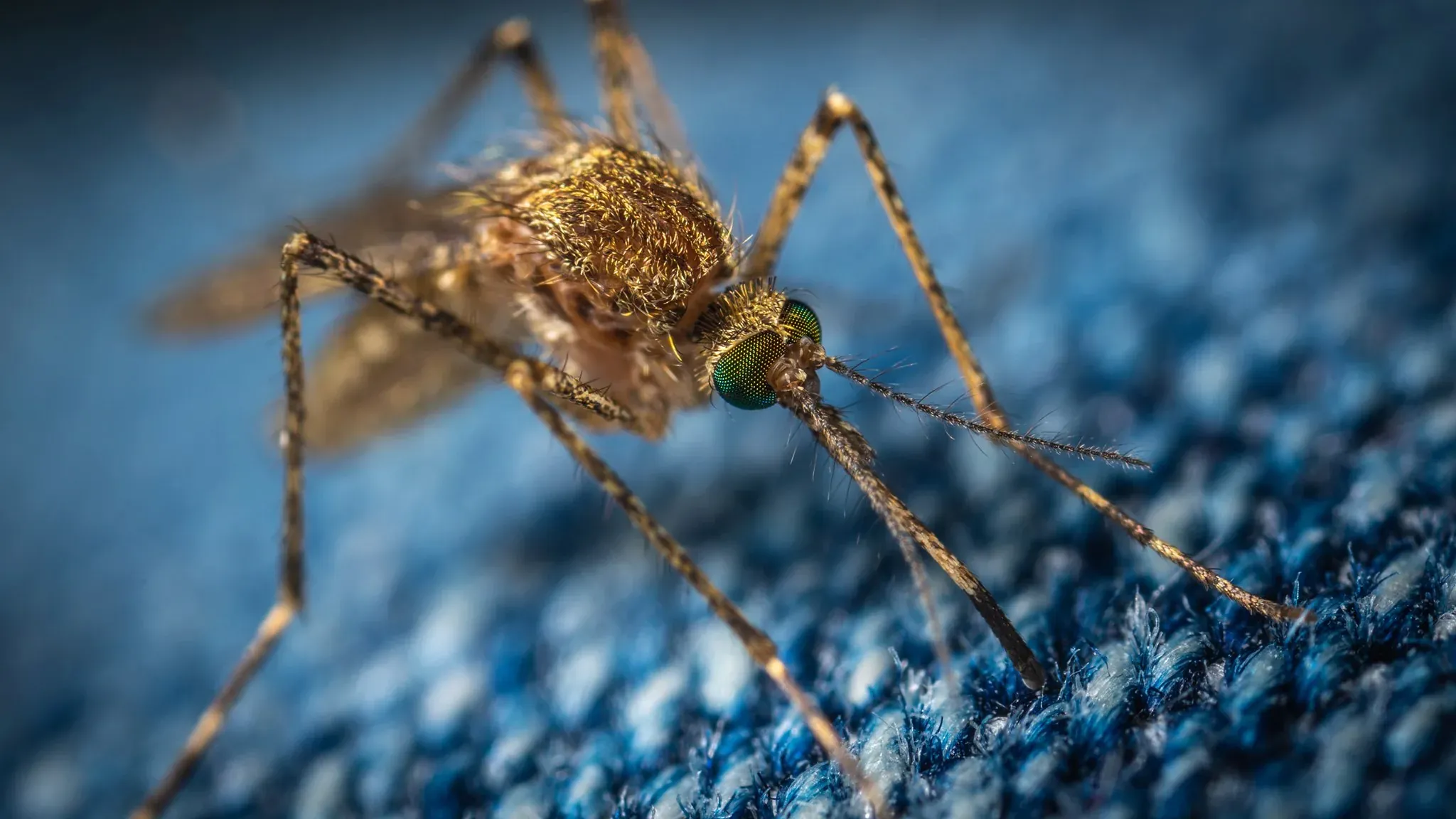
Most South Florida homeowners know about Zika. Many know about dengue. Fewer think about chikungunya, but it is transmitted by the exact same mosquitoes, it is documented in Florida, and the long-term health consequences can be more persistent than either Zika or dengue in non-pregnant adults.
Here is what you need to know about chikungunya risk in Boca Raton, Fort Lauderdale, and the surrounding communities, and what can actually be done about it.
Why South Florida Has Significant Chikungunya Risk
Chikungunya requires two things to circulate: an infected person and a mosquito capable of transmitting it. South Florida has both conditions present simultaneously for much of the year.
The vector is here year-round. Aedes aegypti and Aedes albopictus, the two mosquito species that spread chikungunya, are well established across Broward and Palm Beach counties. They do not migrate or hibernate. They are present, biting, and potentially transmitting year-round in South Florida's subtropical climate.
International travel connects us to outbreaks. South Florida is one of the most internationally connected regions in the United States, with direct flights to the Caribbean, Latin America, and other regions that have active chikungunya transmission. Returning travelers who are viremic (virus-carrying in their blood) can be bitten by local mosquitoes, who then become infected and spread the virus locally. This is exactly how the 2014 Caribbean outbreak spread into Florida.
Local transmission has occurred. Florida has documented locally acquired chikungunya cases, meaning people who were infected by Florida mosquitoes, with no travel history. Broward and Palm Beach counties are among the highest-risk counties in the state given mosquito population density and international travel volume.
The Symptoms: Why "Chikungu-what?" Becomes "I've Never Felt Worse"
The hallmark of chikungunya is joint pain: acute polyarthritis that makes it painful to grip a pen, walk up stairs, or turn a doorknob. It is not the general achiness of the flu. The name derives from the Makonde word for "that which bends up," describing the stooped posture patients adopt to reduce joint pain.
- •Sudden high fever (102°F+)
- •Severe joint pain
- •Muscle pain and weakness
- •Headache
- •Rash (2 to 5 days in)
- •Nausea, fatigue
- •Persistent joint pain
- •Joint swelling
- •Fatigue
- •Depression (in some patients)
- •Most patients recover here
- •Affects 10 to 40% of patients
- •Persistent arthralgias
- •Can last years
- •Similar to rheumatoid arthritis
- •Higher risk: age 65+
Chikungunya vs. Dengue vs. Zika: The Aedes Disease Triangle
All three diseases are transmitted by Aedes aegypti and Aedes albopictus. All three have been documented in South Florida. Understanding how they differ helps clarify the risk landscape.
| Feature | Chikungunya | Dengue | Zika |
|---|---|---|---|
| Key symptom | Severe joint pain | Severe headache, bone pain | Mild rash, fever |
| Chronic effects | Arthritis (months-years) | Severe dengue (bleeding) | Birth defects in pregnancy |
| Florida transmission | Documented locally | Documented locally | 2016 Miami outbreak |
| Treatment | Supportive only | Supportive only | Supportive only |
| Vaccine (US) | FDA-approved 2023 (limited) | Dengvaxia® (limited use) | None approved |
How to Reduce Your Chikungunya Risk in Boca Raton and Fort Lauderdale
There is no treatment for chikungunya and currently no widely available vaccine. Prevention is the only practical strategy.
Ready to reclaim your yard? Free assessment, no contracts, plant-oil formula.
Frequently Asked Questions
What is chikungunya?
Chikungunya is a viral disease transmitted to humans through the bite of infected Aedes aegypti or Aedes albopictus mosquitoes: both of which are well established in South Florida. The name comes from a Makonde word meaning 'that which bends up,' describing the stooped posture caused by the disease's signature symptom: severe joint pain. Chikungunya is typically not fatal for healthy adults. It still causes debilitating illness, and the joint pain can persist for months to years in a significant percentage of cases. There is no antiviral treatment and no vaccine currently approved for widespread use in the United States.
Have there been chikungunya cases in Florida?
Yes. Florida has experienced both travel-associated cases (people infected abroad who returned to Florida) and locally acquired cases (people infected by mosquitoes in Florida with no recent international travel). The 2014 outbreak in the Caribbean led to hundreds of travel-associated cases in Florida. Miami-Dade County has had locally transmitted cases, and Broward and Palm Beach counties have been identified as high-risk areas given the density of both Aedes aegypti and Aedes albopictus populations. The Florida Department of Health monitors and reports chikungunya activity on an ongoing basis.
What are the symptoms of chikungunya?
Chikungunya symptoms typically appear 3 to 7 days after a bite from an infected mosquito. The primary symptoms are fever (often sudden onset, above 102°F), severe joint pain (especially in the hands, wrists, knees, and ankles), muscle pain, headache, and rash. Most people feel significantly ill for 7 to 10 days. However, joint pain can persist for weeks, months, or even years, a condition called chronic chikungunya arthropathy. Older adults and people with underlying health conditions are at higher risk for severe disease. If you develop these symptoms after being bitten by mosquitoes in South Florida, see a doctor and mention potential mosquito exposure.
How is chikungunya different from dengue fever?
Chikungunya and dengue are both transmitted by Aedes aegypti and Aedes albopictus and share some symptoms (fever, headache, muscle pain, and rash. The key clinical difference is that chikungunya causes much more pronounced and long-lasting joint pain, while dengue is more likely to cause severe headache (especially behind the eyes), significant fatigue, and in severe cases, hemorrhagic complications. Both require clinical testing to confirm) they can be difficult to distinguish based on symptoms alone. Both are present in South Florida and both should be taken seriously.
Is there a chikungunya vaccine?
As of 2025, the FDA has approved one chikungunya vaccine: IXCHIQ (ineralvaxue-a), approved in November 2023 for adults 18 and older who are at increased risk of exposure. It is not widely recommended or administered yet, and current CDC guidance is targeted at travelers to outbreak areas rather than the general population. The vaccine is live attenuated, meaning it contains a weakened form of the virus, and carries some contraindications. For most South Florida residents, the practical approach remains prevention through mosquito control rather than vaccination.
What is the difference between chikungunya and Zika?
Chikungunya and Zika are both transmitted by Aedes mosquitoes and both circulate in South Florida's mosquito populations. The critical distinction: Zika virus causes birth defects (microcephaly, brain damage) in babies born to mothers infected during pregnancy, which is why Zika generated such widespread alarm during the 2016 outbreak in Miami. Chikungunya does not cause the same birth defects. Its chronic joint pain complications make it severely debilitating for some patients. Dengue is the third member of this Aedes-transmitted disease triangle, and all three have been documented in Florida.
How can I protect my family from chikungunya in South Florida?
The most effective protection is eliminating or treating mosquito breeding sites and maintaining a professional barrier spray program around your property. For personal protection while outside: use EPA-registered repellents containing DEET, picaridin, or oil of lemon eucalyptus. Wear long sleeves and pants during peak Aedes activity times (morning and late afternoon). Eliminate all standing water on your property: Aedes aegypti can complete its breeding cycle in less than a teaspoon of water. Professional barrier spray treatments every 10 to 17 days kill and repel the Aedes mosquitoes responsible for chikungunya transmission.
Does professional mosquito control reduce chikungunya risk?
Yes. Professional barrier spray treatments eliminate adult Aedes aegypti and Aedes albopictus populations on your property by coating the vegetation and shaded areas where they rest. Reducing the adult mosquito population directly reduces your bite exposure, which is the only transmission route for chikungunya. Our service also includes IGR (insect growth regulator) treatment of standing water starting on the second visit, which prevents larvae from developing into adults. This two-pronged approach, reducing adults and interrupting the breeding cycle, creates the most effective property-level protection available.
Reduce Your Family's Exposure to Chikungunya
Professional mosquito control is the most effective property-level measure against Aedes mosquitoes and the diseases they carry. Serving Boca Raton, Fort Lauderdale, and 28+ South Florida communities.

After nearly two decades in corporate finance (most of it at Chico's FAS, where he oversaw operations and finance for 1,000+ retail locations across the US and Canada) Eric Vincent earned his MBA from Rollins College and made a deliberate pivot into pest control, completing his Pest Control Technology degree at the University of Florida while building Mosquito Shield of Boca and Fort Lauderdale from the ground up. He holds five Florida state licenses including Certified Pest Control Operator (JF341961) and Public Health licensee (PH340549), and is currently partnered with Arkion Life Sciences on next-generation all-natural mosquito control research.